White Tailed Deer Design
A Quiet, Confident Presence in the Embroidery Hoop
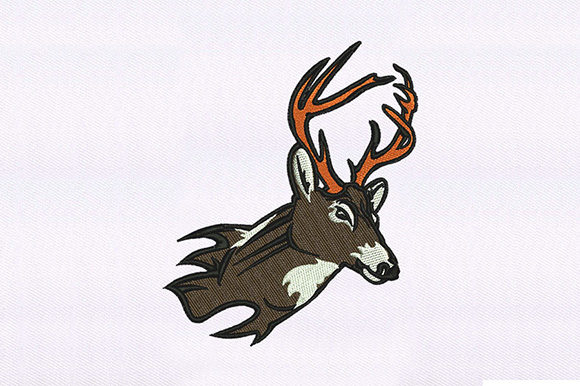
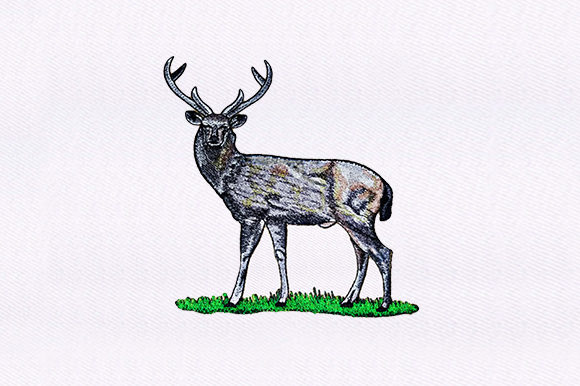
When I opened the White Tailed Deer Design for the first time, what struck me wasn’t flash or fuss—it was presence. This isn’t a cartoonish silhouette or an over-rendered trophy pose. It’s a poised, gentle profile: head lifted, ears alert, antlers clean and organic, body subtly tapered. The negative space around the deer feels intentional—not empty, but breathing. That quiet confidence makes it instantly adaptable: think nursery wall art stitched on linen, a subtle chest emblem on an organic cotton sweatshirt, or the centerpiece of a hand-stitched holiday tea towel. It doesn’t shout. It invites closer looking—and that’s exactly what makes it work so well for handmade products meant to be cherished, not just seen.
How It Lands on Real Projects (Not Just Screens)
Last week, I prepped this design for a custom order: a set of three canvas tote bags for a local nature educator’s workshop. We chose medium-weight natural canvas, medium tear-away stabilizer, and matte cotton thread in warm taupe and soft charcoal. The White Tailed Deer Design stitched cleanly at 4.2” wide—no skipped stitches, no thread breaks, even across the fine antler tips and delicate ear outline. Customers responded immediately: “It feels like it belongs there,” one said, running a finger over the satin-stitched antlers. That’s the sign of a well-digitized machine embroidery design: it reads as intentional, not mechanical.
I’ve also tested it on baby onesies (using lightweight cut-away stabilizer and reduced stitch density), kitchen towels (where the fill stitch holds up beautifully to washing), and embroidered patches for a small-batch apron line. In every case, the design retained its clarity and warmth. It doesn’t overwhelm delicate fabrics, nor does it fade into the background on heavier textiles. As an embroidery file in the Woodland Animals category, it bridges craft and commerce—equally at home on an Etsy seller’s holiday listing or a boutique’s limited-run apparel collection.
Where It Shines—and Where to Pause
The White Tailed Deer Design excels in applications where subtlety and storytelling matter: personalized gifts for nature lovers, nursery decor that avoids cliché, boutique-branded kitchen linens, and custom apparel for eco-conscious brands. Its balanced proportions mean it scales well—from a 2.5” version on a child’s cap (use light- to medium-weight stabilizer and test hoop clearance on the curve) to a 5.8” statement on a pillow cover.
That said, proceed with care on:
- Thin or highly stretchy fabric—the clean lines rely on stability; without proper stabilizer, the neck and antler details can blur;
- Very dark fabrics—while it works in black thread, the design’s elegance comes through best with tonal contrast (e.g., heather grey thread on oatmeal linen);
- Tiny hoop sizes under 3”—some versions may compress antler detail too far; always verify your chosen file’s dimensions before hooping;
- Frequent-wash items like baby clothes—confirm stitch density isn’t overly dense in the fill areas, and use high-quality thread to prevent fading.
What It Adds to Your Finished Product—Beyond Stitching
This isn’t just about whether the deer stitches out. It’s about how the White Tailed Deer Design elevates the entire perception of your handmade product. On a sweatshirt, it signals thoughtfulness—not just decoration. On a personalized gift, it adds quiet meaning, especially for clients seeking nature-inspired sentiment without kitsch. For an Etsy seller, it supports brand consistency: earthy, refined, unhurried. And because it avoids tiny lettering, excessive layering, or fragile decorative accents, it builds customer trust. Buyers know it will hold up. They feel the care in the digitizing—tight satin stitch on the antlers, smooth fill in the body, consistent running stitch for fine outlines.
It also performs exceptionally well in digital contexts: as a printable mockup for listings, the design reads clearly in both light and dark fabric previews. That versatility saves time when building your shop assets or crafting social media visuals.
Practical Notes Every Designer Should Run Through
Before stitching your first finished product, do these six things:
- Test on scrap fabric—especially if using textured or layered materials;
- Check thread color contrast on both light and dark backgrounds using physical swatches, not just screen previews;
- Review stitch density in the fill areas—dense stitching can stiffen lightweight fabrics unnecessarily;
- Confirm hoop size compatibility for your machine and project surface (e.g., caps need smaller, flatter layouts);
- Inspect small details like ear tips and antler points at actual stitch-out size—they should be crisp, not fuzzy or broken;
- Verify licensing terms before selling finished items or reselling the digital embroidery file. This embroidery design includes formats like PES, DST, VP3, and HUS—but commercial use rights aren’t implied by format alone.
If you’re sourcing this for a craft business or small shop product line, pair it with complementary design assets: a simple leaf motif, a subtle pine branch, or minimalist woodland text. But let the White Tailed Deer Design breathe—its strength is in its restraint.