Savage Wolf Embroidery Design Review
First Impressions: Bold, Wild, and Ready for Real Projects
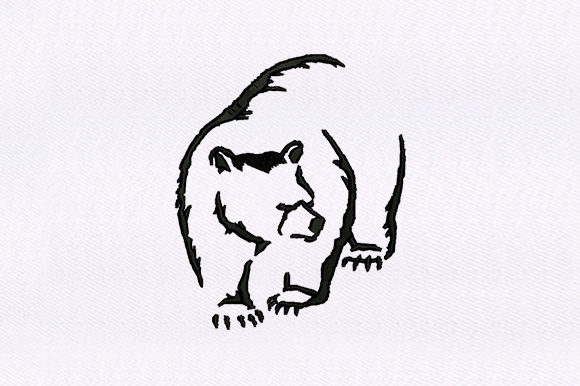
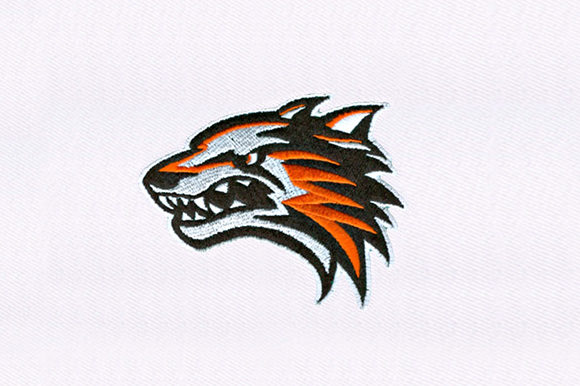
When I opened Savage Wolf on my embroidery software, I didn’t just see a wild animal motif—I saw a design with clear intention. It’s not overly cartoonish or minimalist; it strikes a confident balance between raw texture and refined stitch work. The silhouette is strong, the fur details are layered—not just implied—with thoughtful use of satin stitch for the muzzle and eyes, and dense fill stitch in the shadowed areas that suggest depth without overwhelming density. As an embroidery designer who regularly sources files for client orders, I appreciated how Savage Wolf feels like a *machine embroidery design* built for impact, not just decoration.
Fits Naturally Into High-Demand Handmade Categories
This isn’t a one-off novelty—it slots cleanly into several real-world product lines I develop weekly: embroidered tote bags for eco-conscious boutiques, sweatshirt embroidery for small apparel brands, custom aprons for artisan bakeries, and pillow covers for nursery decor. Its scale and composition also translate well to embroidered patches—especially when stitched on twill or denim backing. I tested Savage Wolf as a 4.5” chest placement on a midweight cotton sweatshirt, and it held visual weight without pulling or distorting. On baby blankets and kitchen towels, the design’s clean outer contour keeps it legible even at smaller sizes (3–3.75”), though I recommend avoiding sub-3” unless you’re using it purely as a subtle accent.
Real-World Performance Across Fabric Types
Savage Wolf behaves predictably on stable fabrics—cotton canvas, linen blends, medium-weight knits—but demands attention on trickier surfaces. On stretchy fabric like jersey or ribbed terry, I added light cutaway stabilizer beneath tear-away and slowed my machine speed by 15%. The fill stitch areas (especially around the shoulders and lower jaw) benefit from that extra support. On dark fabric, the satin-stitched eye highlights pop beautifully—if you choose a high-contrast thread like bright white or metallic silver. Conversely, on light fabric, deep charcoal or forest green thread brings out its wild edge without looking flat.
For caps and curved surfaces, I resized Savage Wolf to 3.25” max and used a cap frame with basting stitches first. The design’s balanced weight distribution prevented puckering—even across the front panel seam. No floating or misalignment occurred, which speaks to careful digitizing. That said, avoid placing it directly over seams or thick seams on structured items like backpacks unless you’ve tested on scrap first.
Commercial Use Considerations for Sellers
If you sell on Etsy or supply boutique merchandise, Savage Wolf adds tangible value to your handmade product lineup. Customers respond to designs that feel intentional—not generic—and this one reads as both artistic and wearable. Its presence on a personalized gift (like a custom baby blanket or anniversary pillow cover) elevates perceived craftsmanship. In product photography, it photographs cleanly: no fuzzy edges, no thread nests in the file, and consistent stitch direction that catches light evenly. That consistency helps maintain brand cohesion across listings—especially if you pair it with other nature-themed designs from Creative Fabrica’s Wild Animals category.
Because Savage Wolf includes so many embroidery file formats—including PES, DST, VP3, and HUS—it integrates smoothly whether you’re using Brother, Bernina, Janome, or commercial Tajima machines. That flexibility matters when fulfilling bulk orders or collaborating with local embroidery shops.
Practical Notes Before You Stitch
- Always test on scrap fabric—especially if pairing with textured or low-thread-count materials like burlap or unbleached muslin.
- Check stitch density visually in your software. While Savage Wolf avoids extreme density, the shoulder and ear areas do layer fill and satin elements—confirm your stabilizer choice matches your fabric’s stability.
- Confirm hoop size requirements before loading. The largest version fits comfortably in a 5×7 hoop, but some sizes may require 4×4 depending on your scaling. Don’t assume—measure in your editor.
- Compare light and dark fabric mockups side-by-side. Thread color contrast changes everything: what reads as dramatic on navy can disappear on heather grey.
- Use proper stabilizer: medium tear-away for stable wovens, cutaway + tear-away combo for knits or lightweight linens.
- Inspect small details after stitching, especially the inner ear line and eye highlight. These rely on precise satin stitch width—verify tension and needle size (75/11 works best).
- Review licensing and file details on the Creative Fabrica product page before selling finished items. This embroidery file is licensed for commercial use, but always confirm terms apply to your specific sales channel (e.g., physical products vs. digital resale).
Where Savage Wolf Adds Quiet Value
Beyond technical performance, Savage Wolf supports long-term creative goals. It works as a standalone statement piece—or as part of a cohesive design system. I’ve used it in printable mockups for client pitches, layered it with simple monograms for custom apparel bundles, and even adapted its outline as a vector base for iron-on transfers. Its versatility makes it more than a single-use digital embroidery file; it’s a flexible design asset.
For craft fair sellers, it’s a conversation starter—customers recognize the artistry, not just the subject. For apparel decorators, it’s a reliable anchor design that pairs well with neutral palettes and seasonal collections. And for digital product sellers building embroidery bundles, Savage Wolf lends authority and aesthetic cohesion.
A Final Thought for Real Project Planning
If you’re evaluating Savage Wolf for an upcoming order—a holiday tote bag run, a boutique apron line, or a limited-edition embroidered patch series—trust that it’s been digitized with production in mind. It doesn’t shout. It commands. And it holds up, stitch after stitch, wash after wash—when stabilized and tested correctly. That reliability is rare. In the world of Embroidery files, Savage Wolf earns its name—not through aggression, but through precision, presence, and quiet confidence in every thread.