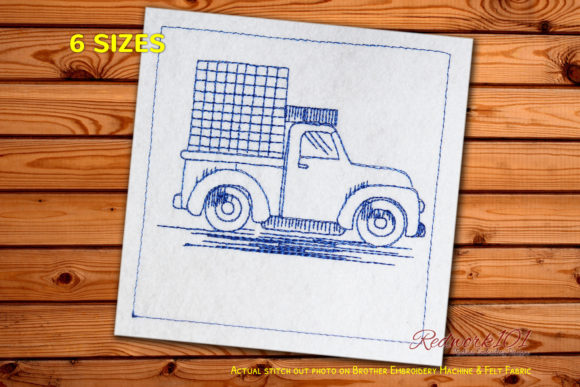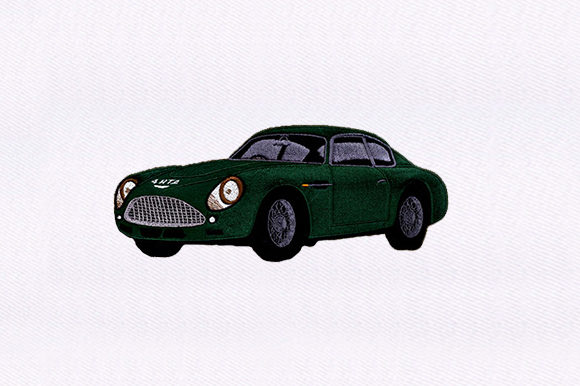
Green Vintage Car Design
A Designer’s First Look: Charm, Character, and Craftsmanship
As an embroidery designer who’s tested hundreds of machine embroidery designs for personalized gift shops and Etsy sellers, I opened Green Vintage Car Design with quiet anticipation—and smiled within seconds. This isn’t just another transportation-themed motif. It carries a gentle, nostalgic warmth—think minty sage greens, soft curves, rounded headlights, and subtle pinstriping that reads as handmade, not digital. It feels classic but never dated, playful without being childish, romantic without leaning into cliché. There’s no loud chrome or aggressive angles—just elegant simplicity with intentional charm. For baby embroidery, it whispers “heirloom.” For wedding gifts, it hints at shared road trips and quiet adventures. For nursery decor? Instant storybook magic.
Where This Design Truly Shines
Green Vintage Car Design is a versatile storyteller across product categories—especially when intention meets execution:
- Baby embroidery: Perfect on organic cotton blankets, muslin swaddles, or linen onesies—its soft lines and low stitch density avoid stiffness against delicate skin.
- Wedding gift: Embroidered on linen pillow covers or vintage-style tea towels, it adds quiet personality to kitchen or bedroom keepsakes—ideal for couples who collect classic cars or cherish analog romance.
- Nursery decor & personalized towels: Works beautifully on medium-weight terry (not ultra-thick) or waffle-weave kitchen towels—clean lines hold up well without bleeding or shadowing.
- Pillow covers & tote bags: Its balanced proportions scale elegantly from 3” to 5” wide—ideal for center-front placement on canvas totes or linen pillow fronts.
- Aprons & custom blankets: The design’s moderate fill areas and open negative space prevent bulk, making it ideal for lightweight cotton aprons or cozy fleece-backed throws.
- Craft fair & Etsy listings: As a digital embroidery file, it stands out in search results for “vintage car embroidery,” “baby boy nursery design,” or “wedding kitchen gift”—keywords your small shop customers actually use.
Where to Use It Thoughtfully
Like any thoughtful handmade product, Green Vintage Car Design rewards intentionality—not just placement, but preparation:
- Avoid dense lettering overlays: The design itself has no text—but if you’re adding names or dates, keep fonts clean, bold, and spaced generously. Don’t crowd the car’s silhouette.
- Test on textured fabric first: Waffle weave, heavy terry, or slubbed linen can obscure fine details like grille lines or wheel spokes. A light tear-away stabilizer helps—but always run a test stitch.
- Stretchy baby clothes? Proceed with care: While lovely on knit onesies, use cutaway stabilizer + reduced top tension to prevent puckering. Skip ribbed cuffs or curved seams unless you’ve confirmed hoop stability.
- Dark fabric needs contrast testing: That soft green reads beautifully on ivory or oatmeal—but on navy or charcoal, verify thread color contrast in natural light. Some shades may need a brighter lime or olive tone.
- Frequent-wash items demand durability checks: Towels, aprons, and baby blankets get laundered often. Confirm stitch density isn’t too sparse (risking fraying) or too dense (causing stiffness or cracking).
Why Customers Connect—and Keep Coming Back
Personalized gift buyers don’t just buy embroidery—they buy meaning. Green Vintage Car Design taps into quiet emotional notes: childhood memories of road trips, grandparents’ garages, first dates behind the wheel, or the calm pride of restoring something timeless. That resonance lifts perceived value instantly. When photographed on a folded linen towel beside wildflowers—or stitched onto a quilt square with hand-stitched binding—it reads as curated, not mass-produced. Etsy sellers tell me their customers comment on how “thoughtful” and “uniquely personal” the finished product feels—even before seeing the name or date added. That trust builds repeat orders, word-of-mouth referrals, and higher average order values.
Practical Embroidery Notes Every Maker Should Run
Before stitching your first customer order, treat Green Vintage Car Design like a trusted collaborator—not just a digital embroidery file:
- Always test on scrap fabric matching your final product’s weight, weave, and stretch.
- Confirm hoop size compatibility—some versions may include multiple sizes; choose based on your product’s real-world dimensions.
- Review stitch density visually in your embroidery software—look for balanced fill areas and smooth satin borders (no jagged edges or skipped stitches).
- Select stabilizer intentionally: Light tear-away for stable linens, cutaway for knits or towels, and optional topping for napped fabrics like fleece.
- Compare light/dark fabric mockups side-by-side—not just on screen, but stitched and pressed.
- Inspect small details post-stitch: Headlights, wheel rims, and door handles should read clearly—not fuzzy or lost in thread buildup.
- Verify commercial licensing before selling finished products. Since this is a machine embroidery design with broad format support—including PES, DST, VP3, and more—check the license terms directly with the source. Never assume.
Final Thought: A Design That Grows With Your Shop
Green Vintage Car Design isn’t flashy—but it’s deeply reliable. It fits naturally into baby product lines, wedding collections, seasonal craft fairs, and year-round Etsy bestsellers. It invites customization without demanding it. And because it belongs to the Transportation category yet avoids stereotypes, it appeals across genders, generations, and gifting occasions. For small shop owners and handmade sellers, that flexibility is gold. Pair it thoughtfully with thread colors, fabric choices, and presentation—and you’re not just selling embroidery. You’re delivering a quiet moment of recognition: This was made with you in mind.