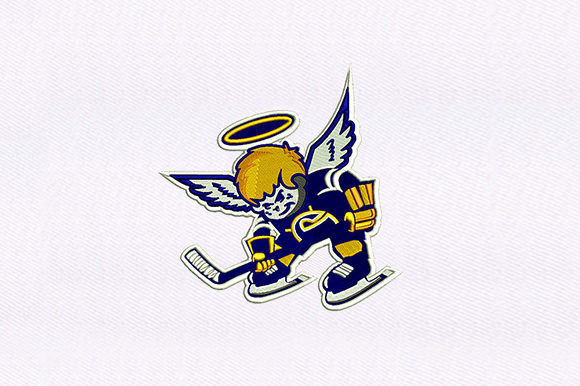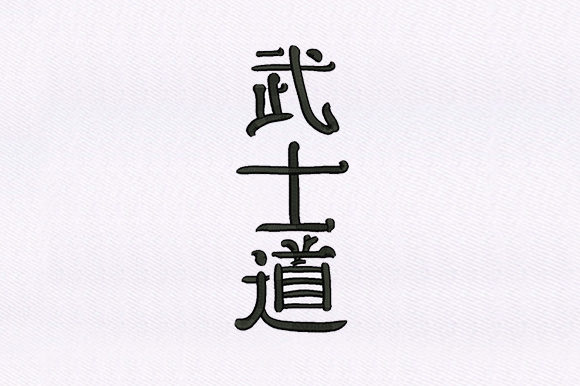
Fighting Spirit Design
First Impressions: Bold, Balanced, and Built for Sweatshirts
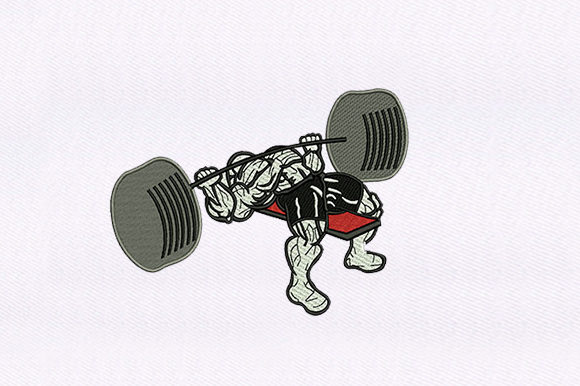
As an embroidery designer who’s stitched over 300 boutique apparel drops—from cozy linen tees to heavyweight French terry hoodies—I opened Fighting Spirit Design expecting energy. What I found was more: a tightly composed, emotionally resonant machine embroidery design that lands with quiet confidence—not loud aggression, not timid suggestion, but grounded strength. The layout feels intentional: compact enough for chest placement on a unisex hoodie, yet detailed enough to hold visual weight at 3.5–4 inches wide. Stitch density appears moderate—not so dense it’ll stiffen lightweight fleece, not so sparse it’ll vanish on textured fabric. That balance is rare in sports-themed embroidery files, where many default to oversized lettering or aggressive iconography. Fighting Spirit Design opts for subtlety with impact: clean line work, thoughtful negative space, and a rhythm in the stitch direction that suggests motion without chaos.
How It Lives on Real Sweatshirt Fabric
This isn’t a design that lives only in digital mockups. It breathes on fabric—and especially on premium sweatshirts. On heather grey or charcoal French terry, the thread colors (whatever you choose—navy, deep rust, or even tonal charcoal-on-charcoal) read with dignified clarity. On soft pastel sweatshirts—dusty rose, oat milk beige, or sage green—it gains gentle contrast without shouting, making it ideal for gender-inclusive, lifestyle-oriented boutique branding. For oversized hoodies? It anchors the chest perfectly—neither swallowed by volume nor overwhelmed by scale. And on cozy seasonal layers—think brushed cotton blends or midweight fleece—it retains crispness because the stitch paths avoid excessive underlay or fill-heavy zones that can pucker on delicate textures.
Placement Versatility Beyond the Chest
- Hoodie sleeve accent: At 2.75 inches tall, it fits elegantly on the lower bicep—clean, recognizable, and flattering in photos.
- Back design option: Centered just below the collar, it reads as a quiet signature—not a statement, but a stance. Perfect for small shop product storytelling.
- Boutique merchandise cohesion: Paired with minimalist tagline text (e.g., “Made With Grit”) in a complementary font, it builds a cohesive visual language across sweatshirts, tote bags, and enamel pins.
Design Personality: Not Just “Sports”—But Human Resilience
While categorized under Sports, Fighting Spirit Design transcends athletic cliché. It’s not about trophies or competition—it’s about perseverance, daily courage, and inner resolve. That nuance makes it resonate across audiences: yoga studios ordering custom apparel, women-led wellness brands, indie bookshops launching merch lines, and even mental health practitioners seeking uplifting, non-clinical design assets. Visually, it leans bold yet minimal—not decorative, not rustic, not playful—but grounded. There’s no glitter, no cartoonish flair, no excessive dimension. It feels handmade in intention, not just execution—a key trust signal for Etsy sellers and small shop customers who value authenticity over polish.
Practical Designer Considerations: What You Must Check Before Stitching
Every embroidery file tells part of its story in the specs—and Fighting Spirit Design’s versatility depends on your production choices. Here’s what matters most for sweatshirt embroidery:
- Thread color contrast: On dark fabric, use high-contrast thread (bright white, true black, or metallic silver) to preserve legibility. On light or pastel fabric, tonal or earthy thread colors deepen the handmade product feel.
- Stabilizer choice: A medium-weight cutaway or tear-away works best for French terry. Avoid heavy fusibles—they mute texture and can yellow over time on light fabrics.
- Fabric texture & hoop size: This design performs best on stable, medium-to-heavy knits. If stitching on ultra-soft, low-tension fleece, test with a slightly smaller hoop size to reduce fabric distortion. Always pre-wash and press sweatshirts before hooping.
- Washing durability: Moderate stitch density and balanced underlay suggest strong wash resistance—but confirm thread quality (polyester core-spun is ideal) and recommend cold gentle cycles to customers.
Remember: exact hoop size, stitch count, and recommended underlay aren’t listed in the provided details. As a commercial embroidery professional, I always verify those in the file header or documentation before scaling for production—or sharing with clients.
Why This Design Elevates Your Boutique Brand
In a crowded digital marketplace, Fighting Spirit Design doesn’t just decorate apparel—it communicates values. For an Etsy seller, it transforms a basic sweatshirt into a wearable affirmation. For a small clothing brand, it becomes a consistent anchor across collections—subtle enough for repeat wearers, distinctive enough for visual recognition in lifestyle product photography. When styled thoughtfully (think natural light, draped fabric, hands-in-pockets authenticity), it reads as intentional, not incidental. That intentionality builds buyer trust: customers see craftsmanship, care, and cohesion—not just another digital embroidery file dropped onto fabric.
It also strengthens handmade presentation. Unlike vector-based prints, this machine embroidery design carries the quiet imperfection of real thread—slight tension shifts, subtle sheen variation, organic drape over seams. That’s not a flaw; it’s proof of human involvement. In an age of mass-produced fast fashion, that authenticity is your competitive edge.
Final Thought: A Design That Serves Your Business, Not Just Your Hoop
Fighting Spirit Design is more than a sports-themed embroidery file—it’s a strategic design asset. It scales gracefully from single-piece Etsy listings to limited boutique drops. It supports brand identity without demanding attention. It invites connection without overselling. Whether you’re a solo craftsperson stitching late-night orders or a small embroidery shop managing five client deadlines, this design respects your time, your equipment, and your customer’s expectations. Just remember: always test on your target fabric, check your file formats (10O, ART, CND, DSB, DST, DSZ, EXP, HUS, JEF, PCS, PEC, PES, TAP, VIP, VP3, XXX), and let the spirit of the design guide your thread choices—not the other way around.